
Aircon system reprocess: the 6 steps, and when you need it
Deep Cleaning & Cooling Recovery for Underperforming Units in Central Luzon
We come to you across Tarlac, Bataan, Pampanga, Bulacan and Olongapo. Send the form with your town and the unit type, and we will tell you when someone can be there.
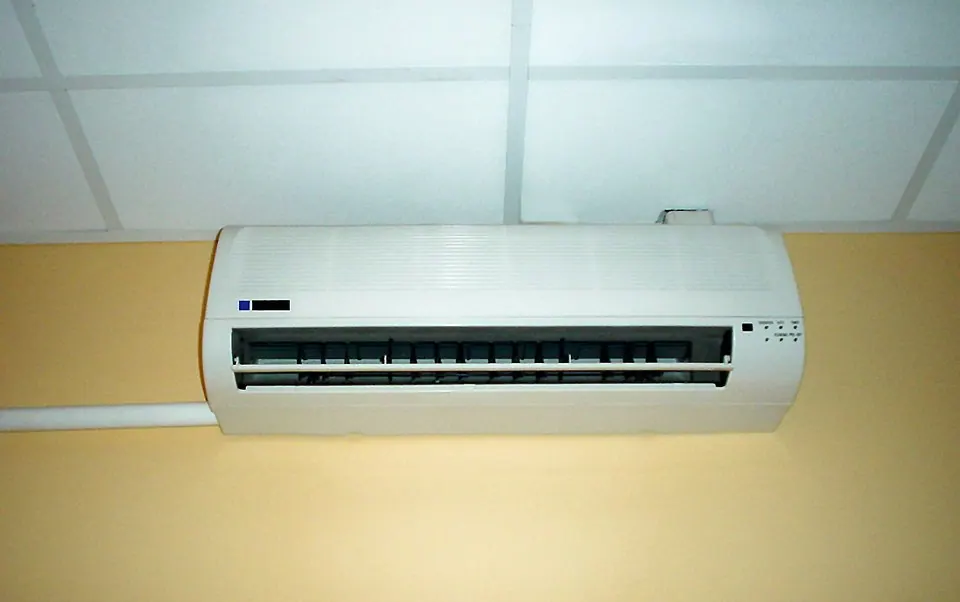
What is aircon system reprocess?
A system reprocess is the full refrigerant job on an aircon. The technician recovers the old refrigerant, tests the empty pipes for leaks with dry nitrogen, flushes the lines, vacuums out the air and moisture, then recharges new refrigerant by weight, to the amount on the unit's nameplate. It is for a unit a top-up will not fix.
A freon top-up adds gas without the first three steps. "Reprocess" is the word used in the Philippine trade; the makers' manuals call the same steps recovery, leak testing, evacuation and charging.
It is a job for a technician with the right tools. R32 is classed as lower flammability, R32 and R410A work at about 1.6 times the pressure of the older R22, and releasing any of them into the air is a violation under DENR rules. Each of these is explained below.
Still not cooling even after cleaning and Freon recharge? Baka it’s time for a system reprocess. This service is perfect for units with internal blockages, trapped air, or poor refrigerant flow. Good news, sa Ayos Lamig, we do this right at your home. No need to bring it anywhere, no hassle.
System reprocessing is a technical service where we:
- Remove old or contaminated refrigerant
- Clean and vacuum the entire refrigerant cycle
- Eliminate air, dirt, and moisture from copper lines
- Recharge with new Freon to restore factory-level cooling
Think of it as a full refresh for your aircon’s cooling system, often needed when Freon charging or regular cleaning alone isn’t enough.
When Do You Need System Reprocessing?
You may need reprocessing if:
- Your unit is still not cooling after a cleaning or Freon refill
- You notice fluctuating cooling levels (sometimes cold, sometimes not)
- The compressor runs but low pressure is detected
- There’s contaminated oil or air in the system lines
- The aircon was installed improperly or had a major leak
- You've used the unit for 5+ years without deep maintenance
Continuing to use an aircon with a “dirty” system can overwork the compressor, shortening its life span.
Compatible With All Aircon Units
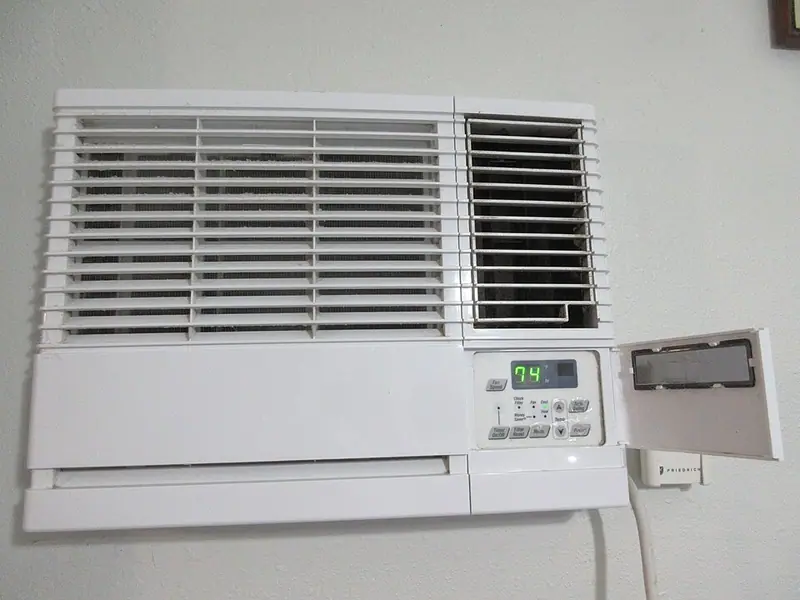
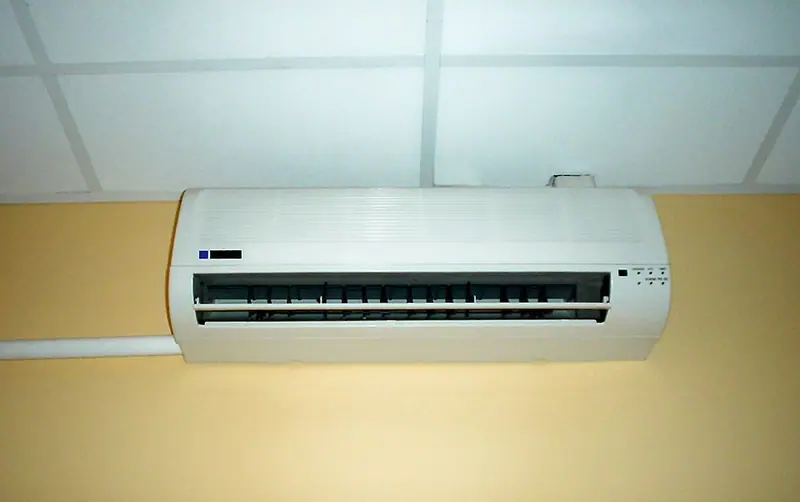
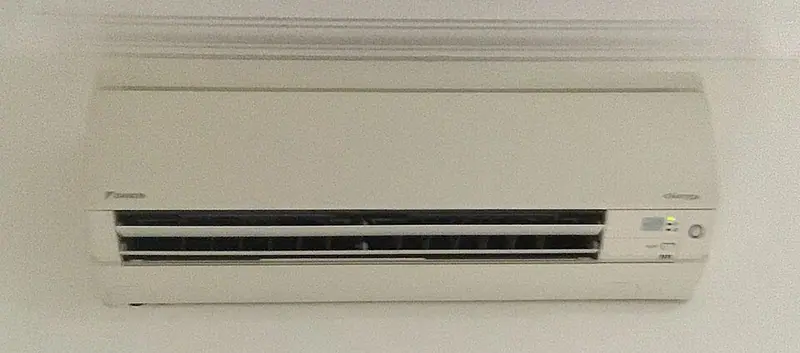
We also service all brands: LG, Daikin, Carrier, Panasonic, Kolin, Midea, Samsung, Condura, and more.
What decides the cost of a reprocess
The quote depends on:
- The unit type and its HP
- Whether a leak is found and has to be brazed
- The refrigerant: R32, R410A or R22
Quote after the check-up, before any work.
Schedule Your Aircon System Reprocess Today
Give your aircon a second life. If cleaning and refilling didn’t work, this is the next best step.
Reprocess, or just a top-up?
People ask for one and need the other often enough that it is worth separating them. Charging puts refrigerant back in. A reprocess empties the circuit first, pulls the air and the moisture out of it, and then charges it. The second is for a system that has been opened, contaminated or run flat, where adding gas alone would leave the air and moisture in.
- Cooling faded over months and nothing else has been done to the unit: gas has leaked out somewhere, and the leak is found first. What comes after depends on the maker. Daikin's and Mitsubishi's manuals recover what is left and recharge from empty after a leak; LG's allows adding gas judged by the pressure.
- The unit has been dismantled, moved, or left open at the pipes: air and moisture have got into the lines, and the makers want them pulled out with a vacuum pump before any gas goes in.
- It has been charged once already and gone weak again: most likely the leak was never fixed, and new gas will leave the same way.
- It still will not cool after a proper clean: a reprocess is one possible fix, once the technician has found the cause.
Neither job should be done by feel. Daikin, Samsung and Mitsubishi set the charge by weight, from the figure on the nameplate plus an allowance for long pipes. Too little leaves the unit weak, and Daikin warns that charging more than the specified amount can break the compressor.
What freon charging involvesHow a split type is reprocessed: the 6 steps
The indoor unit stays on the wall. Most of the work happens at the outdoor unit, at the two service valves where the copper pipes join it. This is the order a technician works in and what each step is for, so you can tell a reprocess from a top-up while it is happening.
- Recovery: the old refrigerant is pumped out into a recovery cylinder, never into the air.
- Leak and pressure test with nitrogen: the empty circuit is filled with dry nitrogen under pressure and every joint is checked. A leak is found and fixed now.
- Flushing: the copper lines are blown through with dry nitrogen to push out dirt, moisture and old oil, so the new refrigerant goes into clean pipes.
- Vacuum: a vacuum pump runs until the gauge shows a deep vacuum, and the reading is watched to see that it holds. This takes out the air and moisture.
- Recharge by weight: new refrigerant goes in on a scale, to the weight on the unit's nameplate plus the extra the maker sets for long pipes.
- Test: the unit runs while the technician reads the pressures again and checks that it cools.
Gauges rated for the unit's refrigerant go on before step 1, so the readings show the state of the circuit before anything is opened. R410A goes in as a liquid in step 5, because it is a blend and charging it as vapour changes the mix.
Why a reprocess is a technician's job
These are the risks the makers and the regulators name. The first is also a legal matter.
- Releasing the old gas is against the rules. DENR Administrative Order 2013-25 lists intentional venting of R22 as an administrative violation, and DENR Administrative Order 2021-31 does the same for R32 and the two gases R410A is made of. The old refrigerant has to go into a recovery cylinder.
- R32 burns. It is classed A2L, lower flammability. The makers forbid open flames and other sources of ignition near the work and ask for the area to be ventilated, and Samsung's manual wants a dry powder or CO2 fire extinguisher by the charging area. Any of these refrigerants, R22 and R410A included, gives off toxic gases if it meets a flame.
- The pressures are higher. Samsung puts R32, and Mitsubishi puts R410A, at about 1.6 times the working pressure of R22, so gauges, hoses and recovery cylinders made for R22 are not rated for them.
- Leak tests use dry nitrogen. LG warns that compressed air can cause a fire or an explosion, and Samsung rules out both compressed air and oxygen.
- Only the gas on the nameplate goes in. Daikin's R32 manual says "Only use R32 as refrigerant. Other substances may cause explosions and accidents." Samsung, LG and Mitsubishi also warn against mixing refrigerants or using tools that would mix them.
- The electrics stay live for a while after the power is cut. Daikin's manual tells technicians to wait and check that the board has discharged before touching it.
Two Philippine news reports, in brief. In August 2025 a salvaged aircon compressor allegedly exploded at a street corner in Tondo, Manila, injuring six people, four of them critically; police said the group may have tried to take it apart or strike it, and officials warned about scrap that may still hold pressurised contents (Manila Bulletin, 4 August 2025). Daikin's manual tells technicians not to pierce or burn refrigerant parts. Never cut, strike or heat an old compressor or its pipes. In December 2019 twelve staff at a school in Pasig were taken to hospital with dizziness and vomiting after breathing gas that police and other authorities said allegedly came from a malfunctioning aircon; all were discharged (Inquirer.net, 29 December 2019). What to do if a unit leaks indoors is the last question on this page.
What you can see on the day
You do not need to read a vacuum gauge to tell whether a reprocess is being done properly. Look for four things at the outdoor unit.
- Gauges: a gauge manifold connected to the service valves, rated for your unit's refrigerant.
- A recovery machine and a recovery cylinder, so the old refrigerant goes into a tank and not into the air.
- A refrigerant scale under the new cylinder, so the charge goes in by weight.
- A nitrogen tank, for the leak test and the flushing.
Afterwards, ask whether the old gas was recovered and how much new refrigerant went in, by weight. A technician who did the job properly can answer both straight away.
What three R32 manuals ask for
We read the installation manuals for three R32 split types and put the refrigerant steps side by side. Samsung's is the manual it lists for a Philippine model. LG's Philippine page offered only an owner's manual, so its installation manual here is a European edition, as is the Daikin manual for its RXF series.
Read 31 October 2026. Each entry applies only to that maker's units. Use it to judge a quote; the technician works from the manual for your unit.
| Step | Daikin RXF-F series (2025) | Samsung WindFree (2019) | LG wall mounted (2025) |
|---|---|---|---|
| Power | Off before servicing; the board keeps a charge for a while after | Isolate the system; no fuse pulled or plug removed with the power on | No breaker or power on while covers are off |
| Leak test | Nitrogen pressure test; bubble test solution on every connection, never soap water; never above the pressure limit on the nameplate | Inert gas into the pipes, soap test at the joints | Oxygen-free nitrogen before recharging |
| Vacuum | To -1 bar, then a 4 to 5 minute check; if the pressure rises, at least 2 hours more, then at least 1 hour with the pump off | Three pulls, down to 500 microns, then a 10 minute wait in which it must hold | To -30 inHg, for more than 10 or 15 minutes depending on pipe length |
| Charge | By weight: nameplate charge plus 20 g per metre of pipe over 10 m; never more than specified | On a scale: plus 10 g per metre over 5 m | Plus 20 g per metre over 7.5 m; checked against the suction pressure |
| Old refrigerant | All of it recovered before a full recharge | Removing all of it recommended; recovery cylinders never over 80% full, never mixed | Recovered, or isolated, before a leak is brazed |
What we make of this
Our reading of the three manuals and the two DENR orders, for someone deciding whether to book a reprocess:
- Daikin's and Samsung's manuals run in the same order: power off, old gas recovered, a nitrogen leak test, a vacuum, then a weighed charge. LG's covers fewer of these steps and lets a technician add gas judged by the pressure. A job with no recovery cylinder and no scale is a top-up under another name.
- The numbers differ by maker. Daikin's vacuum can be finished after a short check when the pressure holds, or run three hours or more when it does not; Samsung's takes three separate pulls and a ten minute hold. How long it takes depends on the unit, the pump, the pipe length and how much moisture is in the lines, so a technician should work from the manual for your model.
- A job's length tells you little on its own. What you can see on the day tells you more: the recovery cylinder, the nitrogen and the scale are in plain view, and the weight that went in is a number the technician can give you.
This is our reading of the sources listed at the foot of the page. For any one unit, its maker's manual decides.
Questions people ask first
- Is a reprocess the same as a freon charge?
- No. A charge puts gas in. A reprocess takes everything out first, vacuums the air and moisture from the lines, then charges it. You need the second when the circuit has been opened or has run empty.
- My aircon was charged last year and it is weak again. Why?
- Because the refrigerant circuit is sealed: Daikin's manual says the refrigerant normally does not leak, so if it is low, it went somewhere. Charging it again without fixing the leak means the new gas leaves the same way. Finding the leak is the work that ends it.
- Can I reprocess a split type aircon myself?
- No. Samsung's and LG's manuals say anyone who opens the refrigerant circuit should hold a valid qualification from a recognised assessment body, and DENR's 2021 order asks service providers to show their technicians' national qualification when they register. It also takes tools most homes do not have: a recovery machine, a nitrogen set, a vacuum pump rated for the refrigerant and a charging scale. Without recovery the old gas ends up in the air, which is a violation. Without a scale the charge is a guess: too little leaves the unit weak, and too much, Daikin warns, can break the compressor.
- Can the old freon be released into the air?
- No. DENR Administrative Order 2013-25 lists intentional venting of R22 as an administrative violation, and DENR Administrative Order 2021-31 does the same for R32 and the gases in R410A. The old refrigerant goes into a recovery cylinder.
- Is R32 dangerous?
- It is classed A2L, lower flammability, where R22 and R410A are class A1, which do not spread a flame. Sealed in a working unit it stays in the pipes. During servicing the makers forbid flames and other ignition sources near it. Any of these refrigerants gives off toxic gases if it meets a flame, which is one more reason this is work for a technician.
- What should I do if the aircon is leaking gas indoors?
- Stop using it: switch it off with the remote rather than pulling the plug, which Samsung warns technicians can make a spark. Turn off any gas stove or heater nearby. Open the windows and doors and get everyone into fresh air. Do not touch the leaking pipe or the gas, which can cause freeze burns. Daikin notes that R32 has no smell, so do not wait to smell it. Call 911 if anyone feels unwell or there is a fire, and do not use the unit again until a technician has found and fixed the leak.
Sources for this page
- DENR, Administrative Order No. 2013-25, Revised Regulations on the Chemical Control Order for Ozone Depleting Substances (text at the Supreme Court E-Library), read 31 October 2026.
- DENR, Administrative Order No. 2021-31, Chemical Control Order for Hydrofluorocarbons (Philippine Ozone Desk copy), read 31 October 2026.
- UNEP OzonAction and ASHRAE, Update on New Refrigerants Designations and Safety Classifications, April 2026, read 31 October 2026.
- Arkema, which makes R32, Forane 32 Technical Guide, read 31 October 2026.
- Australian Refrigeration Council, Safety issues to be aware of when handling R32, read 31 October 2026.
- Daikin Europe, Installation manual, R32 split series RXF20-42F5V1B, 3P748643-15S, 2025, read 31 October 2026.
- Samsung Electronics, Installation manual, WindFree AR**TYGC*** (R-32), DB68-08638A-00, listed on Samsung Philippines for AR12TYGCGWKNTC, read 31 October 2026.
- LG Electronics, Installation manual, wall mounted (R32), MFL70342855, 2025, read 31 October 2026.
- LG Electronics Philippines, Owner's manual, wall mounted, MFL69781202, read 31 October 2026.
- Mitsubishi Electric, Technical and Service Manual OCH730 Revised Edition-B (R410A), March 2023, read 31 October 2026.
- Manila Bulletin, 2 more injured in Tondo compressor blast, bringing total to 6, 4 August 2025, read 31 October 2026.
- Inquirer.net, 12 hospitalized in Pasig after inhaling Freon gas, 29 December 2019, read 31 October 2026.
- Office of the President, Executive Order No. 56, s. 2018, Emergency 911 Hotline (text at Lawphil), read 31 October 2026.
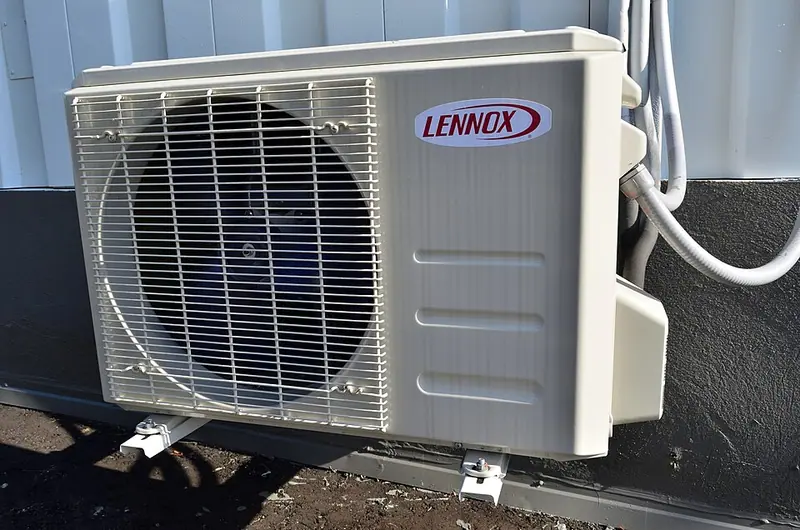
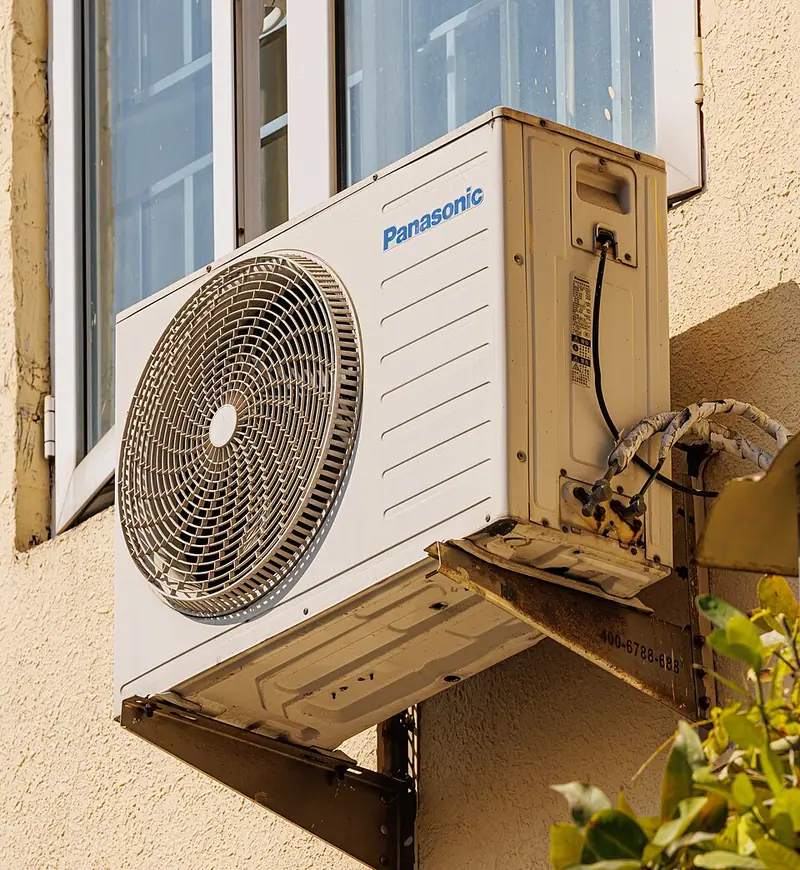
The outdoor unit
Most of a reprocess happens at the outdoor unit, at the two service valves where the copper pipes join it.
Related guides
- What is freon, and why your aircon should not need a yearly refill
The sealed loop, why low gas means a leak, the three refrigerants in Philippine units, and the refill myth.
Book aircon system reprocess
Tell us the unit type and the town. We confirm your slot, and the technician comes to the house.
Monday to Saturday, 8:00 AM to 6:00 PM. Sundays by special appointment only.