Discover the simple, monthly DIY maintenance guide to cleaning your air conditioner filter. A clean filter is vital for maximum cooling efficiency, …
AyosLamig | Your Local Aircon Technicians in Bataan & Pampanga

AyosLamig | Your Local Aircon Technicians in Bataan & Pampanga
In the Philippines, where hot and humid weather is part of everyday life, an air conditioner isn’t just a luxury it’s a necessity. A properly cooled home helps you sleep better, keeps your family comfortable, and even improves productivity when working or studying.
But here’s the thing: keeping every room cool and cozy isn’t as simple as pressing the power button. Each area of your house whether it’s the bedroom, living room, or home office has different cooling needs. Learning how to optimize your aircon setup for each space can dramatically improve comfort, lower energy bills, and make your home healthier to live in.
Follow these expert tips from AyosLamig to transform your home into a truly comfortable, energy-smart space all year round.
Not all rooms are created equal when it comes to cooling. Think about it:
Key factors to consider include:
By tailoring your aircon use room by room, you avoid wasting energy and extend your AC’s lifespan.
The type and size of your air conditioner matter more than most people realize. Using the wrong unit can either leave your room uncomfortably warm or cost you extra on electricity.
An undersized unit runs endlessly but still fails to cool properly, while an oversized unit short-cycles, wasting electricity and creating uneven cooling.
Setting the right temperature is about finding the sweet spot between comfort and savings.
Avoid setting your AC to 18°C. It won’t cool the room faster it just forces the unit to run longer and harder, which increases bills and may lead to condensation and humidity problems.
Did you know that poor aircon placement can reduce efficiency by up to 30%? Position matters:
Proper placement helps ensure even cooling throughout the room and prevents hot spots.
A clean AC doesn’t just cool better it keeps your indoor air fresh and safe. Without regular cleaning, your AC can collect dust, dirt, and even mold, which can lead to allergies, respiratory issues, and musty odors.
Here’s how to maintain it:
This simple maintenance step not only improves comfort but also protects your family’s health.
Cooling your home doesn’t have to mean skyrocketing electric bills. With a few smart practices, you can save energy while staying comfortable:
Even the best-maintained AC needs professional servicing. Think of it like a car it runs better with regular tune-ups.
Regular maintenance ensures your AC runs efficiently, prevents costly breakdowns, and extends its lifespan.
Each room comes with its own unique cooling challenges.
Many homeowners unknowingly make mistakes that reduce AC efficiency. Avoid these:
Correcting these habits can immediately improve comfort and lower bills.
Today’s aircon technology can make your life easier and cheaper in the long run.
Investing in smart solutions is a great way to future-proof your home comfort system.
Your AC is more than a cooling device; it directly affects your health and well-being.
When your aircon is clean and well-maintained, your family enjoys not just comfort but also better health.
The ideal setting is around 24–26°C (75–78°F). This strikes a balance between comfort and energy efficiency. Setting your AC too low (like 18–20°C) will increase power consumption without offering much added comfort.
For most homes, filters should be cleaned or replaced every 1–3 months. If you live in a dusty area or use the aircon daily, monthly cleaning is recommended to maintain good airflow and prevent odors.
Yes, but it’s best to use timer or sleep mode functions. These features gradually adjust the temperature to prevent overcooling, save electricity, and keep you comfortable throughout the night.
This depends on the room size, ceiling height, insulation, and sunlight exposure. As a quick guide:
Musty smells usually come from mold or moisture buildup. Regularly clean filters, flush the drain line, and schedule professional cleaning at least once a year. Running the fan-only mode for a few minutes after cooling can also help dry out moisture inside the system.
Yes. Using ceiling or portable fans improves air circulation, allowing you to set your AC a few degrees higher without sacrificing comfort helping cut down on energy usage.
At least once a year, preferably before summer or the hot season. For households that run AC daily, a bi-annual checkup is ideal to keep the system efficient and extend its lifespan.
Discover the simple, monthly DIY maintenance guide to cleaning your air conditioner filter. A clean filter is vital for maximum cooling efficiency, …
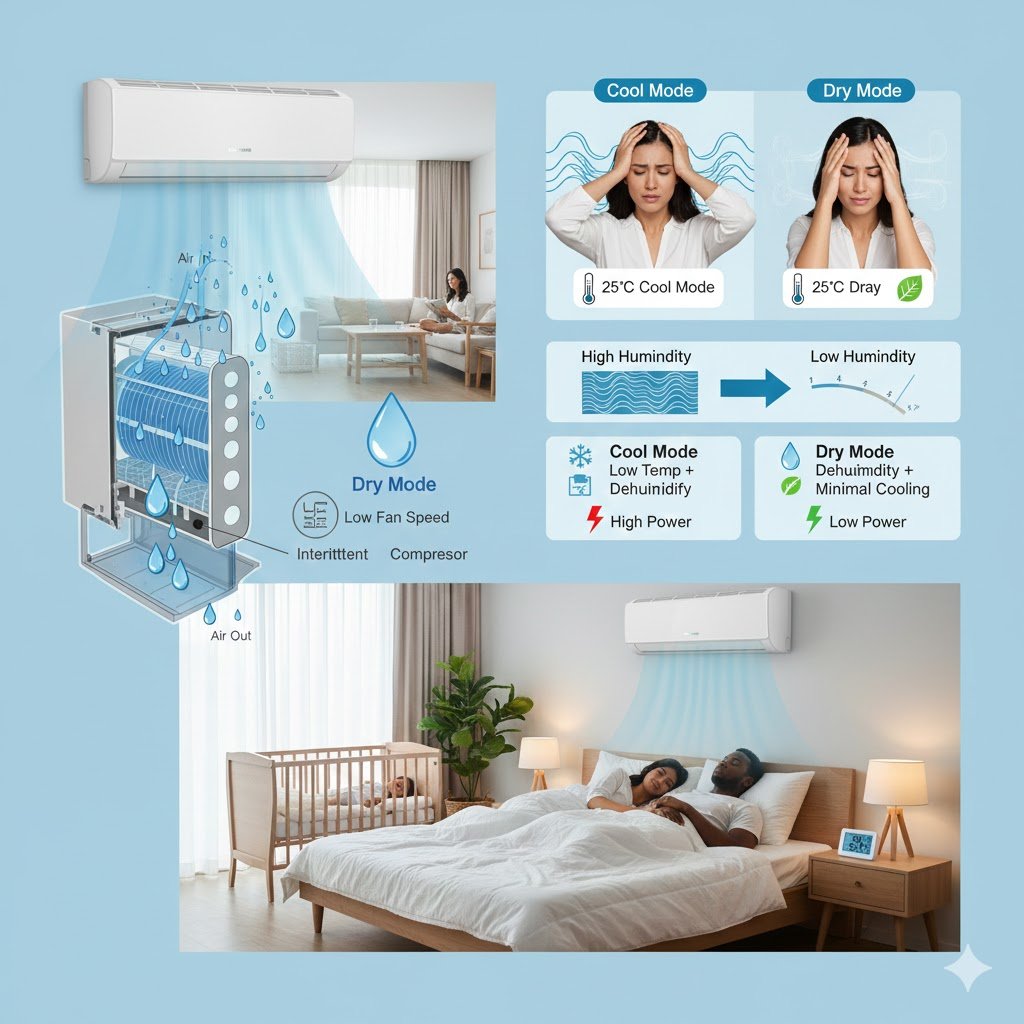
How to use your AC's Dry Mode to cut humidity, prevent common water issues, and boost your unit’s energy efficiency without freezing …
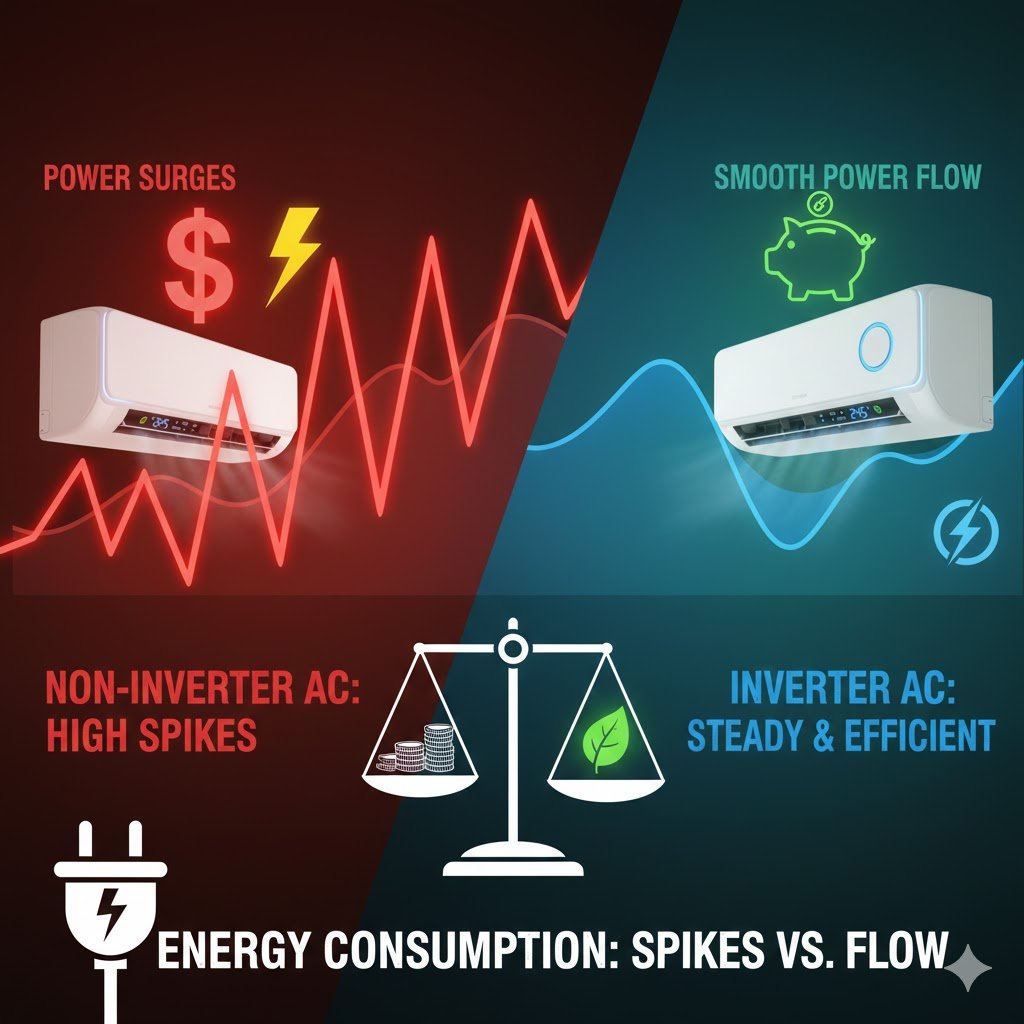
The choice between an Inverter and Non-Inverter AC in the Philippines has profound financial and comfort implications due to notoriously high electricity …
Don't panic when your AC unit drips! A water leak often points to a manageable issue. Discover the four main causes of …