
AyosLamig | Your Local Aircon Technicians in Bataan & Pampanga

Aircon Water Leaks? List of Fixes You Can Do.

Decoding the Drip: The Air Conditioner’s Essential Process

The moment you notice a puddle forming beneath your indoor air conditioning unit, a sense of dread is inevitable. You rely on your aircon to keep you cool and comfortable, and any sign of malfunction, particularly a leak, can be alarming. The good news is that while a leak should never be ignored, it often points to one of several common and manageable issues, many of which you can tackle yourself with a little know-how.

To understand the problem, you first need to understand the function. Air conditioners don’t just cool the air, they are powerful dehumidifiers. As warm, humid air passes over the evaporator coil (the freezing cold coils inside your unit), moisture in the air condenses into liquid water, just like the condensation that forms on a cold glass of water on a hot day. This liquid, called condensate, is collected in a drain pan and then safely channeled out of your home via the condensate drain line.

A leak simply means the water is not making it through this pathway. Instead, it’s overflowing the pan or dripping from the unit, resulting in the unwelcome puddle on your floor or the water stains on your ceiling.

Is Water Dripping from AC Dangerous? Assessing the Risks

Before diving into the fixes, it is crucial to address the most pressing question: Is water dripping from AC dangerous?

The short answer is yes, absolutely. While the water itself is not inherently toxic, its presence where it shouldn’t be introduces multiple serious hazards. Ignoring an aircon leak can be a costly mistake, leading to:

Mold and Mildew Growth

One of the most insidious dangers of a water leak is the encouragement of mold and mildew. Mold spores thrive in damp, dark environments. A constant drip inside your air handler or ductwork provides the perfect breeding ground. Not only does this contaminate your indoor air quality, which can exacerbate allergies, asthma, and other respiratory issues, but it can spread through your ductwork and into the walls, becoming a costly and difficult remediation project.

Property and Structural Damage

A persistent leak, even a slow one, can cause major property damage over time. If your indoor unit (air handler) is located in an attic or utility closet, water can quickly saturate drywall, insulation, and wooden structural components. This leads to stained ceilings, peeling paint, and in severe, neglected cases, structural rot and eventual ceiling collapse. The potential cost of these repairs far outweighs the cost of a routine repair.

Electrical Hazards

Water and electricity are a perilous mix. Your air handler contains numerous electrical components, including circuit boards, fan motors, and wiring. While most units have built-in safety mechanisms, like a float switch that shuts off the unit if the drain pan fills up, these can fail. If water contacts electrical connections, it risks short-circuiting the system, causing permanent damage to the unit, or in the worst-case scenario, creating a fire hazard. If you notice a leak, the first safety measure is often to turn off the unit and the power supply at the breaker.

An Air Conditioner Leaks Due to Four Primary Causes and How to Identify Them

Understanding the precise source of the overflow is the key to fixing the problem. When troubleshooting, remember this core diagnostic sentence: An air conditioner leaks due to a clogged drain line, dirty air filters causing frozen coils, a damaged drain pan, or low refrigerant levels. These four categories cover the vast majority of all aircon water leakage incidents.

Clogged Condensate Drain Line

This is, by far, the most common reason for a leak. The moist, dark interior of the drain line is an ideal environment for algae, mildew, dust, and sludge to accumulate.

The Mechanism:

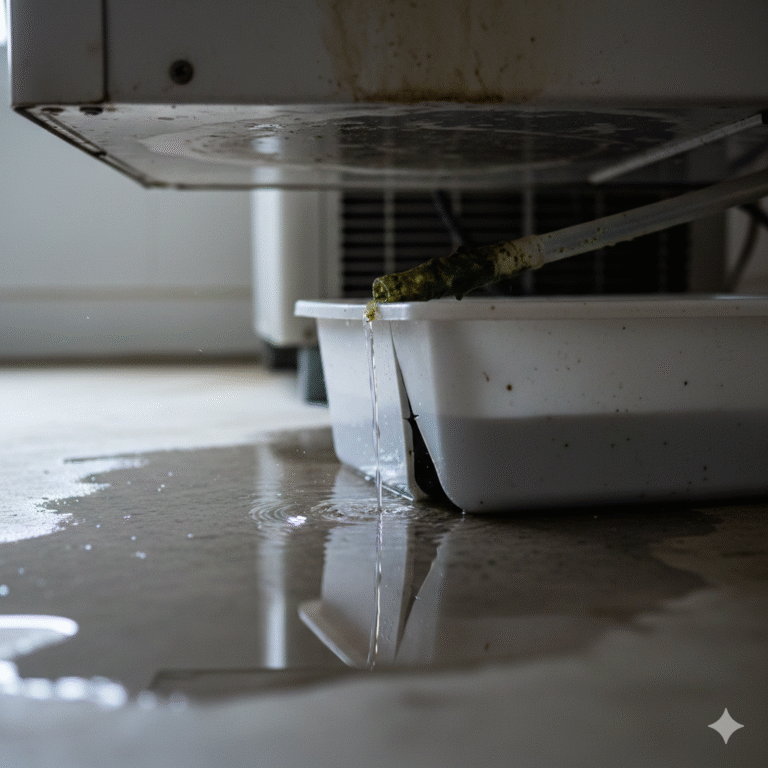
  • Over time, this biological and particulate matter forms a clog, typically near the outdoor exit point or the connection to the drain pan. When the line is blocked, the condensate water backs up, fills the drain pan to capacity, and then overflows the edges of the pan and drips out of the unit

The Symptom:

  • Water pooling directly underneath or adjacent to the indoor air handler unit.
Aircon Filter

Dirty Air Filters Causing Frozen Coils

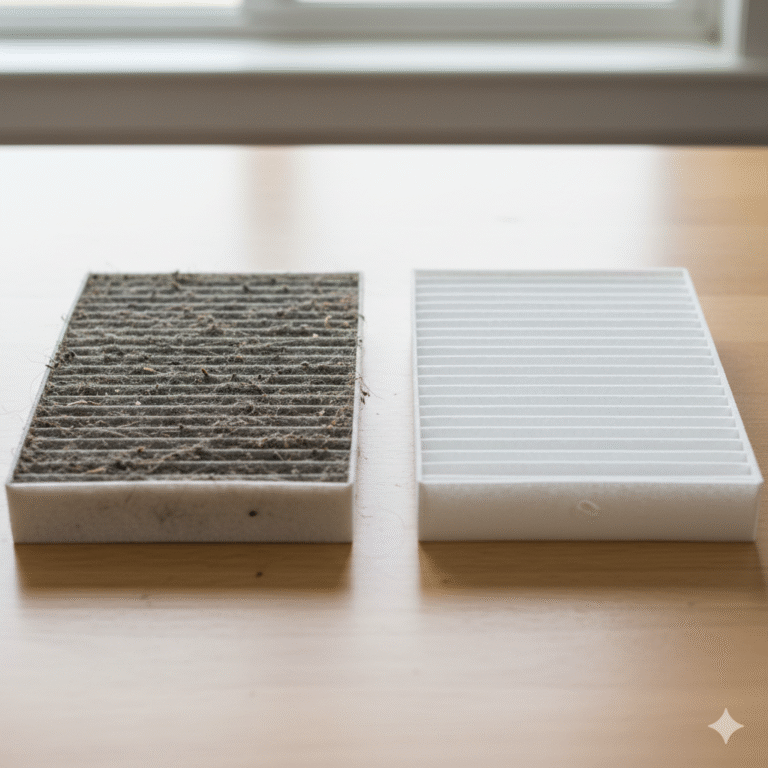
This is a classic example of a simple maintenance oversight leading to a complex symptom. When you neglect to change your air filter, it becomes choked with dirt and debris, severely restricting the flow of air passing over the evaporator coil.

The Mechanism:

  • Over time, this biological and particulate matter forms a clog, typically near the outdoor exit point or the connection to the drain pan. When the line is blocked, the condensate water backs up, fills the drain pan to capacity, and then overflows the edges of the pan and drips out of the unit

The Symptom:

  • Large, rapid water leaks, sometimes accompanied by a visible layer of ice on the coils (you may need to remove the front panel to see this). The unit may be running but failing to cool the room effectively

Low Refrigerant Levels (The System Leak)

While not a direct cause of a water leak, low refrigerant causes a frozen coil, which in turn causes the leak.

The Mechanism:

  • Refrigerant is the substance that absorbs heat from your indoor air. If the unit has a leak in the refrigerant lines, meaning the low refrigerant levels are present, the pressure in the evaporator coil drops. This drop in pressure causes the coil temperature to plummet below freezing point, resulting in the same freezing/thawing overflow scenario described above.

The Symptom:

  • Similar to a dirty filter leak, but the unit will also be blowing lukewarm or only mildly cool air. You might hear hissing or bubbling noises from the refrigerant lines. This is a problem that only a certified technician can fix since adding refrigerant without fixing the underlying leak is only a temporary and inefficient solution.

A Damaged Drain Pan

Sometimes, the leak is caused by simple physical damage, particularly in older systems.

The Mechanism:

  • Drain pans in older AC units, typically those 12 to 15 years old, are often made of metal and can rust out. Newer units use plastic, which can crack or separate due to age or stress. When the pan is compromised, water bypasses the drain line altogether.

The Symptom:

  • Water dripping consistently from a specific spot that is not directly related to the drain line or coil. A closer inspection will reveal cracks or rust holes in the pan itself.

Step-by-Step DIY Fixes for Common Aircon Leaks

Once you have identified the likely cause, you can often execute a do-it-yourself fix. Safety first: Always turn off the power to your air conditioner at the main circuit breaker before opening any panel or performing maintenance.

Clogged unit of an Airconditioner

Clearing a Clogged Drain Line

This is the most frequent fix and a crucial part of maintenance.

  1. Locate the Drain Line Access: The drain line is usually a 3/4-inch white PVC pipe that exits the indoor unit. There may be a small access port (a T-shaped vent with a cap) near the unit or just the end of the pipe itself.
  2. Clear the Immediate Blockage: If the pipe is accessible from the outside, place the nozzle of a wet/dry shop vacuum over the end of the pipe and hold it firmly to create a good seal. Run the vacuum for 2-3 minutes to suck out the sludge, mold, and debris. This method is highly effective for removing deep clogs.
  3. Flush the Line (Alternative Method): Alternatively, you can mix a solution of 1/4 cup of distilled white vinegar with water and pour it slowly down the access port or the drain line opening. Vinegar acts as a mild biocide, killing the mold and algae causing the blockage. Do this every three to four months as a preventative measure.
  4. Confirm the Fix: After clearing, pour a cup of clean water into the drain pan or access port and ensure it flows freely out of the exterior drainpipe. You must always Check the water drainage pipes and their connections to ensure they are clear and sloping correctly before concluding the fix.

Fixing the Frozen Coil

A frozen coil requires thawing before any repair can take place.

  1. Thaw the Ice: Turn the AC unit off entirely (including the fan) and switch the system’s fan to the “ON” position (if available) or simply turn the unit off for several hours. This allows the ice to melt. Be prepared to manage the large volume of water that will quickly melt into the drain pan. You may need to use towels or a wet/dry vacuum to manage the excess water.
  2. Determine the Root Cause: Once thawed, address the reason it froze.
  • If the filter is dirty: Replace the air filter immediately. A clean filter ensures proper airflow over the coils, preventing freezing.
  • If the filter is clean: The cause is likely low refrigerant levels or a blocked return air vent. In this case, proceed to the “Calling an Expert” section.

Inspecting and Replacing the Drain Pan or Pump

  • Drain Pan: If your unit is old, turn off the power, remove the unit’s panel, and inspect the pan directly. Look for cracks, rust spots, or physical damage. If damaged, the pan must be replaced. This is a relatively simple part replacement.
  • Condensate Pump: If your air handler is installed in a location where gravity cannot drain the water (e.g., in a basement), it will have a condensate pump to push the water outside. If the pump fails, water will back up and overflow. Test the pump by pouring water into its collection reservoir. If the pump doesn’t turn on and evacuate the water, it needs to be repaired or replaced by a technician.

Addressing Improper Installation or Leveling

Sometimes the AC is installed slightly off-level, causing water to pool on one side of the drain pan and spill out before reaching the drain connection.

  • Resolution: Use a simple carpenter’s level to check the horizontal alignment of the indoor unit. If it is visibly unlevel, a technician will need to re-mount and level the unit to ensure the condensate pan is sitting horizontally, allowing gravity to direct water properly into the drain line.

Prevention is Key: Moving Beyond the Fix

While knowing how to fix a leak is essential, preventing it entirely is the best approach. The most effective preventative measure is routine, proactive maintenance.

The Power of Regular Aircon Maintenance

Many people only think about their air conditioner when it breaks down. However, the question of why skipping air conditioner maintenance ends up costing more is one that every homeowner should consider. Regular maintenance, typically performed twice a year by a professional, once before the cooling season and once after, is a small investment that prevents the costly scenarios detailed above. A technician will clean the coils, inspect the drain pan, flush the condensate line, and check refrigerant pressures, effectively eliminating the primary causes of leaks.

Optimizing Your Aircon Use

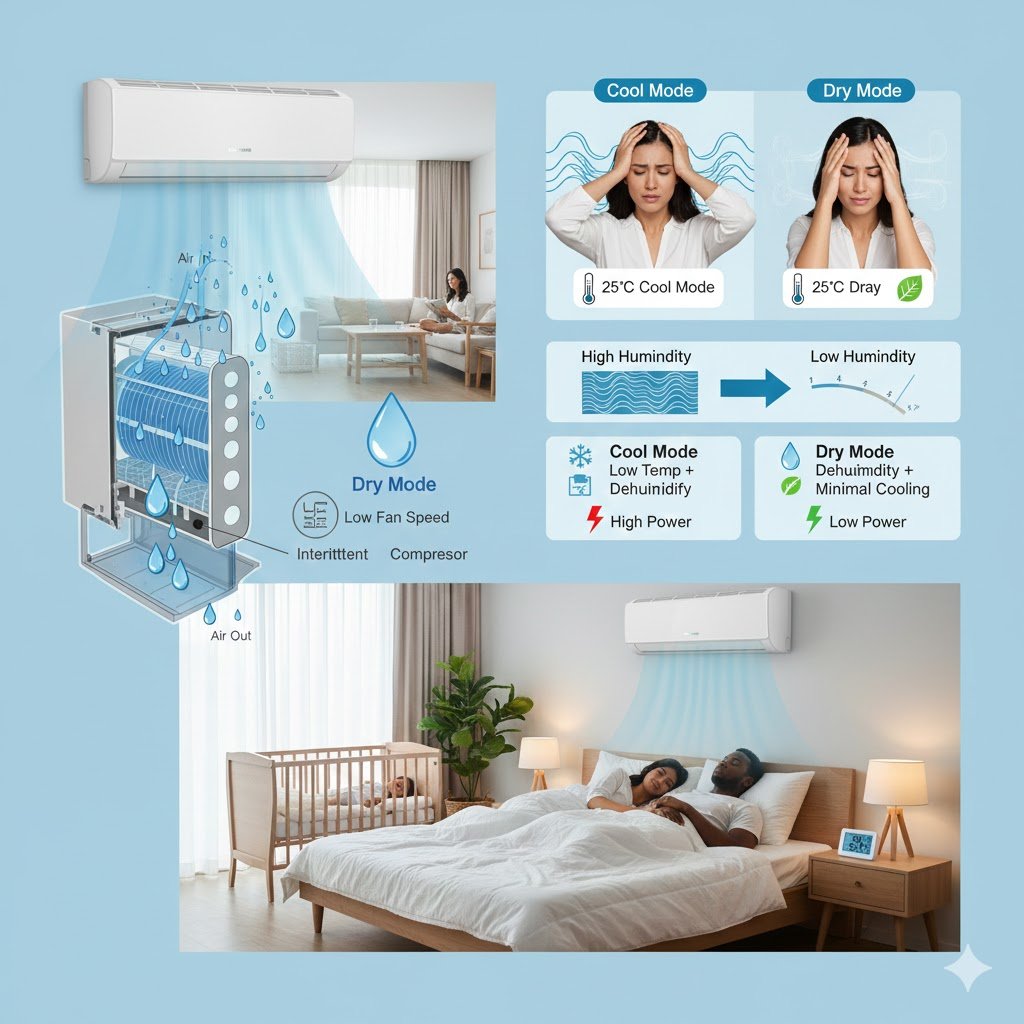
How you use your AC also plays a vital role in preventing leaks and ensuring system efficiency. If you’re striving for peak comfort in a home with varying temperatures, you’ll want to explore strategies like those covered in how to make every room comfortable: smart aircon tips for your home. Setting the thermostat too low, especially on high-humidity days, encourages coil freezing, which is a common cause of overflow leaks. Using a higher fan speed and running the unit in “Dry” mode during periods of extreme humidity can help manage condensation and reduce the risk of freezing.

The Future of Leak-Free Efficiency

As we move toward more integrated home management, the role of modern cooling technology becomes even more important. Understanding smart homes, energy efficiency, and air conditioning demand can help homeowners choose systems that actively mitigate the risk of leaks. Newer units often come equipped with advanced diagnostics and sensors that can warn you of an issue, like a partially clogged drain, before it turns into a major overflow and leak. Investing in these smart controls not only saves you money on utility bills but also protects your home from the sudden, catastrophic damage a leak can cause.

Don't Wait for the Drip to Turn into a Flood

Book Your Leak Prevention Maintenance Check-Up Today. If you suspect a complex issue like low refrigerant or simply want peace of mind, contact a certified HVAC expert. Schedule your service call now to protect your unit from catastrophic failure and your home from water damage.
Advanced Issues and When to Call an Expert

While you can handle filter replacement and basic drain cleaning, certain issues require licensed, professional expertise. Never attempt these fixes yourself, as they involve complex systems and hazardous refrigerants.

The Refrigerant Leak Dilemma

As noted, one of the primary causes of a leak is a frozen coil resulting from low refrigerant levels. If you have replaced the filter and ensured adequate airflow, and the coil continues to freeze, it is a near certainty that you have a leak in the refrigerant lines.

  • The Problem: Refrigerant is a chemical that should never need “topping up.” If it’s low, it means it has leaked out of a crack or hole in the closed loop system. A technician must use specialized tools to find the leak, repair the line, and then recharge the system to the manufacturer’s exact specifications.
  • The Call: If you suspect a refrigerant leak (poor cooling, continuous freezing, hissing noise), call an HVAC professional immediately. They are the only ones legally qualified and equipped to handle refrigerants.

Installation and Ductwork Problems

If the unit or ductwork was installed incorrectly, it can create problems that only professional reconstruction can solve.

  • Improper Duct Connection: Damaged or unsealed ductwork can draw warm, unconditioned air into the air handler space. This sudden influx of high-humidity air can cause excessive, rapid condensation that overwhelms the drain pan.
  • Vapor Barrier Issues: Damage to the vapor barrier surrounding the air handler or drain lines can cause condensation to form on the outside of the pipes and unit, dripping water that looks like a leak. A technician will assess insulation integrity and repair any breaches.

Final Thoughts: Prioritize and Protect

A leaking aircon unit is a common issue, but it’s a problem that demands your immediate attention. By following the troubleshooting steps outlined here, you empower yourself to diagnose and handle the most common causes, particularly those related to the filter and the drain line.

Remember that aircon service should never be put off. From managing dirty air filters causing frozen coils to ensuring the damaged drain pan is replaced on time, a proactive approach will save you thousands in water damage and system repairs. If your attempts to Check the water drainage pipes and their connections do not resolve the issue, or if the problem persists due to low refrigerant levels, do not hesitate: contact a certified HVAC technician.

Your home’s comfort and safety, from preventing mold to avoiding electrical shorts, are worth the peace of mind that comes with a properly maintained, leak-free air conditioning system.

FAQs

Yes, it is dangerous. The main risks are mold and mildew growth, property and structural damage, and electrical hazards.

The four main causes are a clogged condensate drain line, dirty air filters causing frozen coils, low refrigerant levels, and a damaged drain pan.

You can clear a clogged condensate drain line using a shop vacuum or a vinegar solution, and you can thaw a frozen coil by turning the unit off and replacing the dirty air filter.

You must call a professional for a suspected refrigerant leak, a damaged/failed condensate pump, or problems related to improper installation or unit leveling.

Recent Post

Aircon Maintenance 101: How to Clean an Aircon Filter the Right Way

Discover the simple, monthly DIY maintenance guide to cleaning your air conditioner filter. A clean filter is vital for maximum cooling efficiency, lower bills, and preventing issues like water leaks. You should clean your filters once a month.

What is Dry Mode in Aircon? The Ultimate Guide to Humidity Control, Comfort, and Energy Savings

How to use your AC's Dry Mode to cut humidity, prevent common water issues, and boost your unit’s energy efficiency without freezing your room.

Comparison of Inverter and Non-Inverter Aircon Unit

The choice between an Inverter and Non-Inverter AC in the Philippines has profound financial and comfort implications due to notoriously high electricity rates and constant cooling demand. This ultimate guide breaks down the core mechanical differences, comparing the fixed-speed, binary operation of non-inverter units against the precise, variable-speed intelligence of inverters. Discover how this choice impacts energy savings (with inverters consuming up to 44% less energy), CSPF efficiency standards, voltage resilience against common grid fluctuations, and superior dehumidification vital for tropical comfort. Based on research conducted by Ayoslamig.

Close-up of a wall-mounted air conditioner unit actively dripping water onto a dark wooden floor, with a small puddle and white towels nearby.

Don't panic when your AC unit drips! A water leak often points to a manageable issue. Discover the four main causes of AC leaks and learn the crucial DIY steps—from clearing a clogged drain line to fixing frozen coils—that can save you thousands in water damage and system repairs.

Aircon Leaks? We got you!

Worry no more! Let us inspect and solve the problem professionally.

Call/Text:  0920-960-0596/0948-893-7069
Message us on Facebook
Available 7 days a week, with flexible appointment times

Trusted by hundreds of homeowners in Bataan and Pampanga
Licensed, honest, and always courteous service